

January 2026
In this dispatch: the bestseller list, reflections on time-keeping, and my wedding

The Filipino word for “time,” Panahon, has the root “nahon,” which is to borrow land or a service, or live somewhere for a while. We still use it in the archaic way when we talk about, say, our time in another country—“Yung panahon ko sa ibang bansa.” We also talk about time in terms of its seasonality, as in “Tamang Panahon,” or the “right time.” We say this about romance (especially getting together with someone), but also with anything that requires action. There is a right time—tamang panahon—for it.
Clock time is an import; that we divide time into calendar days is a practical fiction that we use to control the uncontrollable. Schedules aren’t bad, and when you’re getting something accomplished, setting routines is a good idea. But when we look at the indigenous philosophy of time, there’s more sensitivity to cycles—our word for “year,” Taon or Tuig, used to refer not to a calendar year, but to a cycle of harvest and fishing, menstruation, and so on.
It’s 2026, a new year. As we reflect on what has passed, and what shall come, we can remember the deeper meaning of time and ask ourselves: How do we cultivate what we have borrowed? How do we cultivate our spaces, our relationships, our lives?
Doing the Work
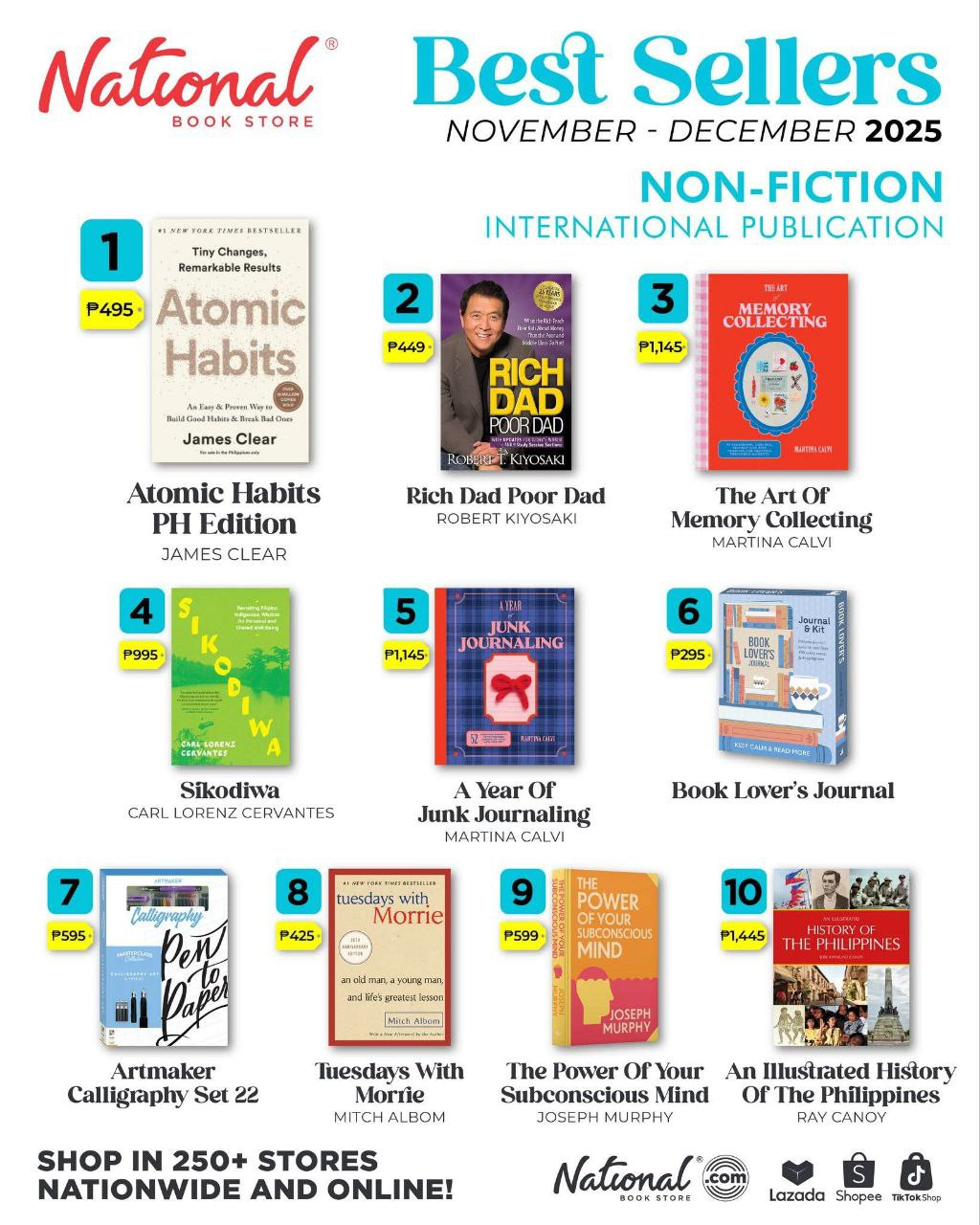
National is one of the biggest bookstores in the country—and my book made #4 on their bestseller list! What a gift. You can now purchase Sikodiwa in most local bookstores.
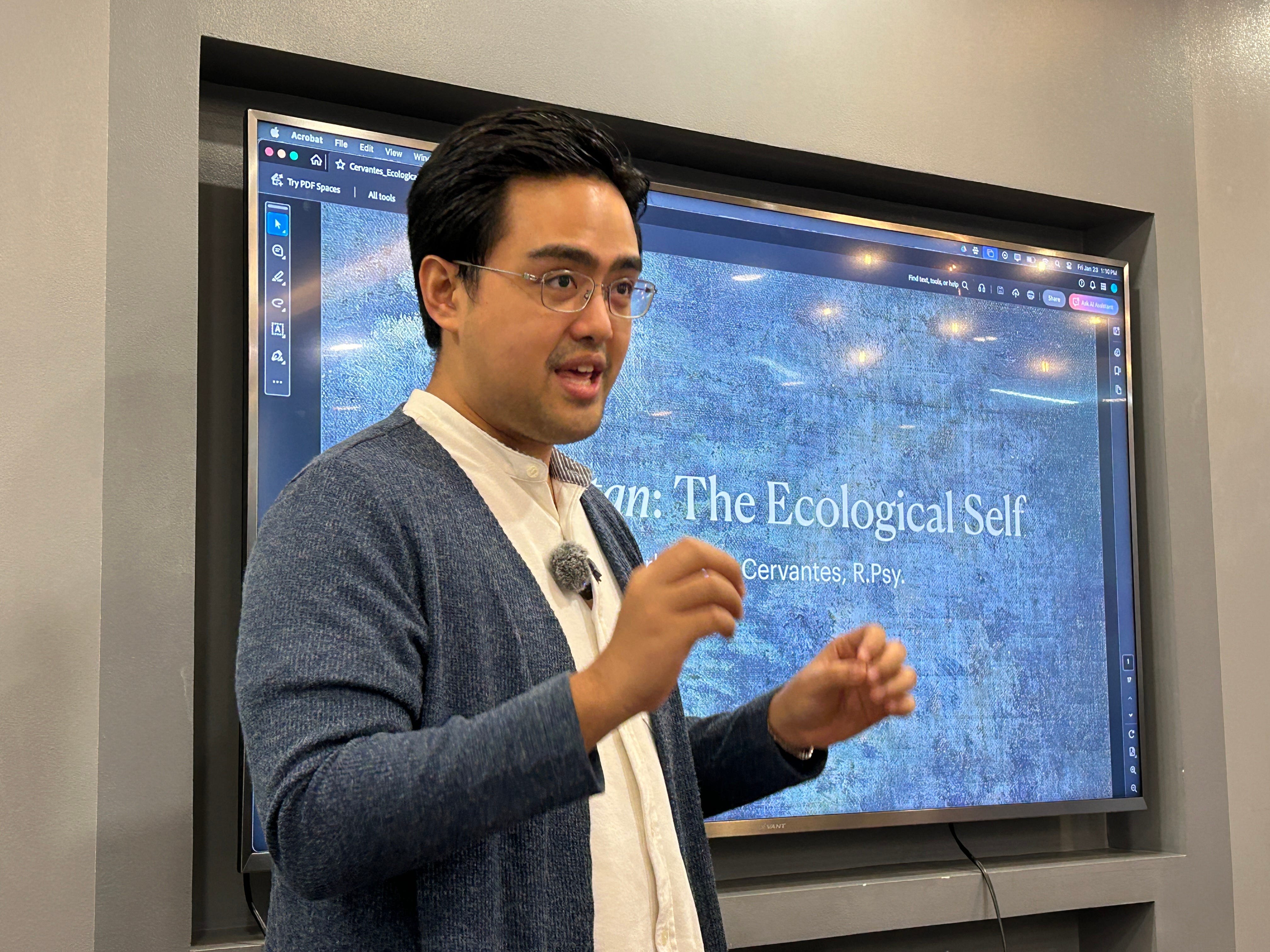
Scientists at the Center for Conservation Innovations invited me to discuss with them the psychology involved in the indigenous perspectives on the environment. I called my talk “Kalibutan: The Ecological Self,” following the idea of Resil B. Mojares that the Cebuano word “kalibutan” (environment) has the words libot (surrounding) and buotan (personhood). Interestingly, in other Visayan languages, it also means “consciousness,” so there may be some credence to Mojares’ statement. It was a fascinating discussion, a meeting between the natural and social sciences.
New Releases

First released in 2024, this was my take on how concepts in Filipino psychology can be applied in the field of mental health. This primer contains useful information for those seeking to indigenize their mental health practice, as well as those who are looking to ground their experience in a more cultural vocabulary.
All subscribers of my Patreon can now access it here.

What have I been devouring and discovering lately? I’m constantly unearthing new, exciting things about Philippine culture and psychology; I just don’t share it immediately with the public.
Now I’m presenting my raw research notes, the "dots" I find that I eventually connect in my essays and posts. These are my most current fascinations, things that have stood out in my readings and engagements. In this episode, I talk about my research process, and miscellaneous topics such as the Filipino philosophy of walking mindfully and the psychology of Filipino eating habits.
All Member-tier subscribers can watch it here now.
Care for the Inner Garden
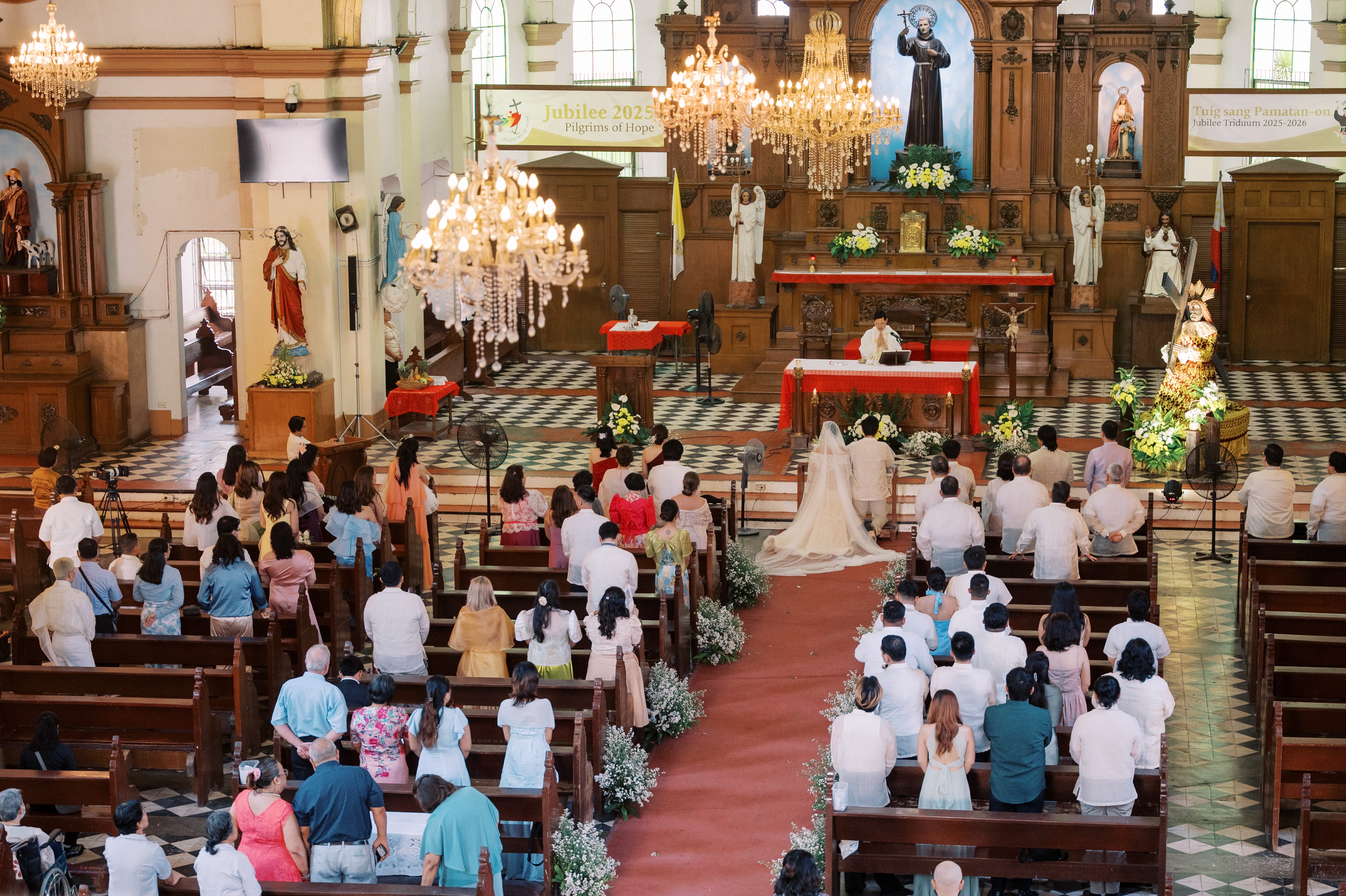
I just got married! 💞 The ceremony happened in my hometown, Silay City, in Negros Occidental. It lightly rained in the morning—which we believe to be a kind of blessing—and halfway through the ritual, it became sunny. I recently wrote about folklore surrounding weddings for Lifestyle Inquirer, where I discuss the customs we participated in.
Of course, the food we served was chicken inasal. One of our friends, a Datu from Northern Mindanao, gifted me with a sinuwak, which is an Ilonggo blade. He also brought us some lomboy cigarettes—a native leaf, dried and rolled up—which I’ve never tried before, and it was surprisingly popular with other guests. We also had a group of young musicians from Silay do a rondalla, which is a traditional ensemble performance done on stringed instruments. My barong was handcrafted in Lumban, and my shoes (a gift from my best man) was made in Marikina. Toni’s gown was crafted by an Ilonggo designer, Jor-el Espina; her shoes were also made in Marikina.
Quick Resource Guide
🌞 For FREE learning materials, here are my essays for Lifestyle Inquirer, my published academic papers, and my recorded public lectures.
📖 You can now order my book, Sikodiwa: Revisiting Filipino Indigenous Wisdom for Personal and Shared Wellbeing! If you’re based in the Philippines, you can also get it from Fully Booked or National Bookstore.
❤️🔥 For bonus materials, including monthly updates on my current research obsessions, as well as never-before-seen videos, music, and designs, you can access my Patreon.